
Rice University convened more than 120 government, industry, and academic leaders on Dec. 2 for the 2025 U.S.–Japan Space Forum, an event focused on the future of commercial low Earth orbit (LEO) and the expanding bilateral partnership driving orbital innovation. Co-hosted with the Japan-America Society of Houston and the Consulate-General of Japan in Houston, the forum comes as both nations prepare for the eventual retirement of the International Space Station (ISS) around 2030.
Strengthening a Bilateral Space Partnership
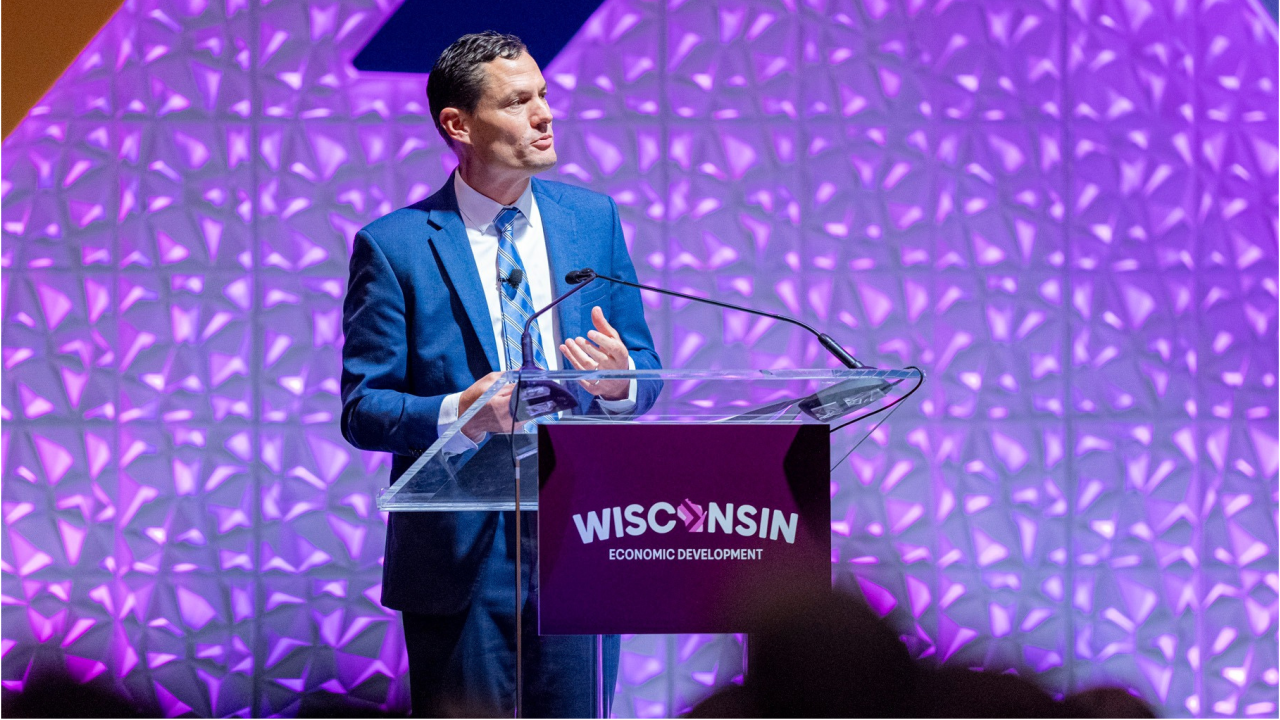
Opening remarks highlighted the strategic importance of U.S.–Japan collaboration. Japan’s Consul General Zentaro Naganuma emphasized the economic and scientific value of shared space activity, noting that roughly 150,000 people are employed in space-related fields and that the Texas Space Fund has awarded $126 million to 22 entities since 2023. U.S. Rep. Brian Babin praised Japan’s role in NASA’s Artemis program, calling the partnership central to American space leadership. NASA Johnson Space Center’s Donna Shafer added that commercialization of LEO will rely on public–private alliances. “If you want to go far, go together,” she said.
Astronaut and Industry Insights on the Post-ISS Era
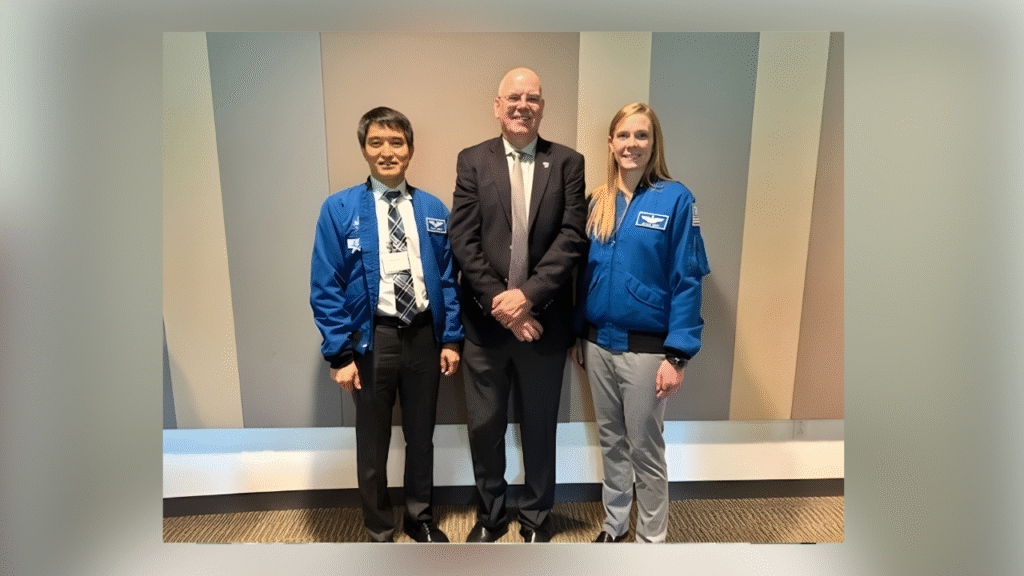
NASA astronaut and Rice alumna Nichole Ayers and JAXA astronaut Takuya Onishi reflected on their ISS missions, underscoring the importance of global crews and multinational research. Onishi noted that more than 60 studies representing over 30 countries were conducted during his mission. Industry leaders from Axiom Space, Vast Space, Blue Origin, Voyager Technologies, Japan LEO Shachu, and Mitsubishi Heavy Industries participated in a panel exploring infrastructure, business models, and strategies needed to sustain research once the ISS retires.
Building a Commercial Orbital Economy
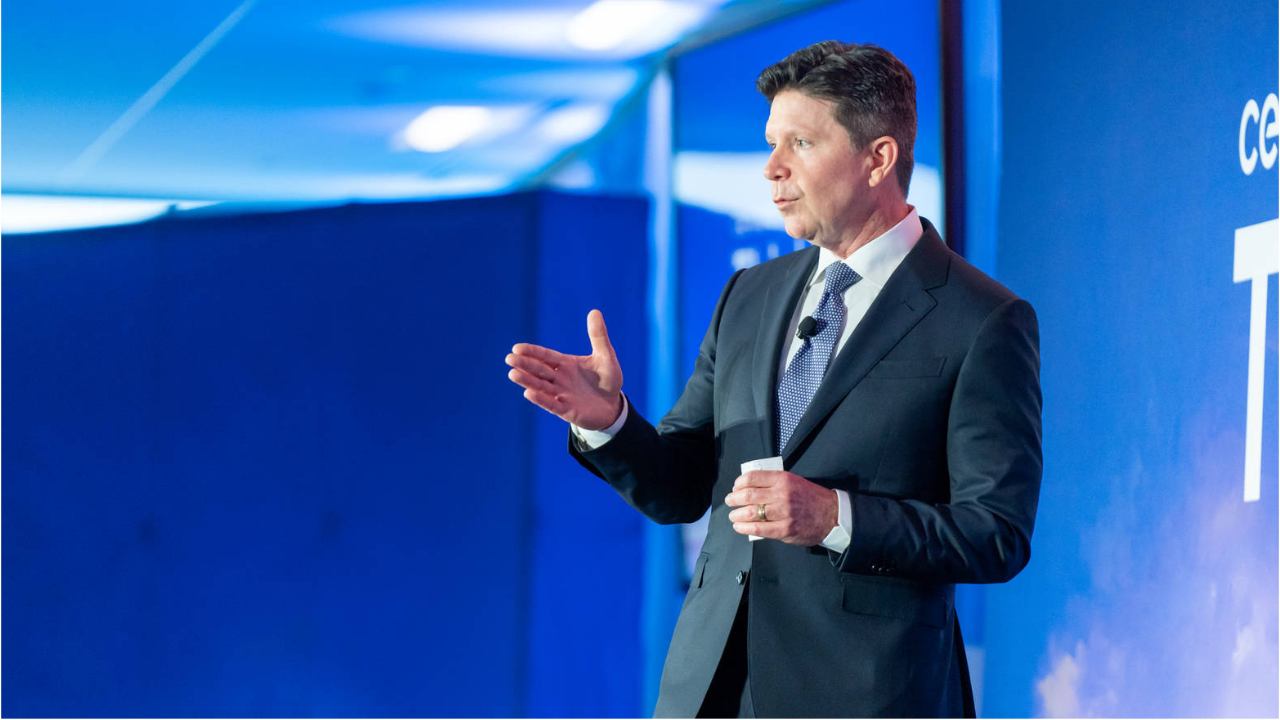
The event closed with remarks from Takajiro “Tak” Ishikawa of Mitsubishi Heavy Industries America, reinforcing the role of industry in advancing LEO commercialization. Participants agreed that global partnerships and private-sector innovation will be central to maintaining momentum in orbital research and development. “As the ISS chapter closes, we’re at a pivotal moment,” said forum organizer David Alexander, director of the Rice Space Institute. “The steps we take now together will define how humanity thrives in space for decades to come.”