
Lawmakers in Utah are advancing a proposal to channel $100 million into research at the University of Utah and Utah State University, arguing that greater state participation is essential as federal strategies evolve and global competition intensifies.
Unveiled during a higher education appropriations meeting on the U’s campus, the plan would create a pilot framework to evaluate and award grants aligned with priority sectors ranging from quantum computing and artificial intelligence to advanced materials, biotechnology and critical minerals.
“I believe that if we’re going to be No. 1 in innovation and stay No. 1 in innovation, we have to invest,” said Ann Millner, a Republican and former university president. “We talk all the time about directing our own future as a state. This is our chance to start to do that in research. We need to step to the plate.”
Companion legislation from Karen Peterson would formalize the Higher Education Research Funding Pilot Program and establish oversight for the competitive process.
Federal strength, state opportunity
The two institutions together secured nearly $1.3 billion in research awards last year, the bulk from federal agencies. University leaders say deeper state backing would help them move faster in emerging fields while translating laboratory advances into companies and jobs.
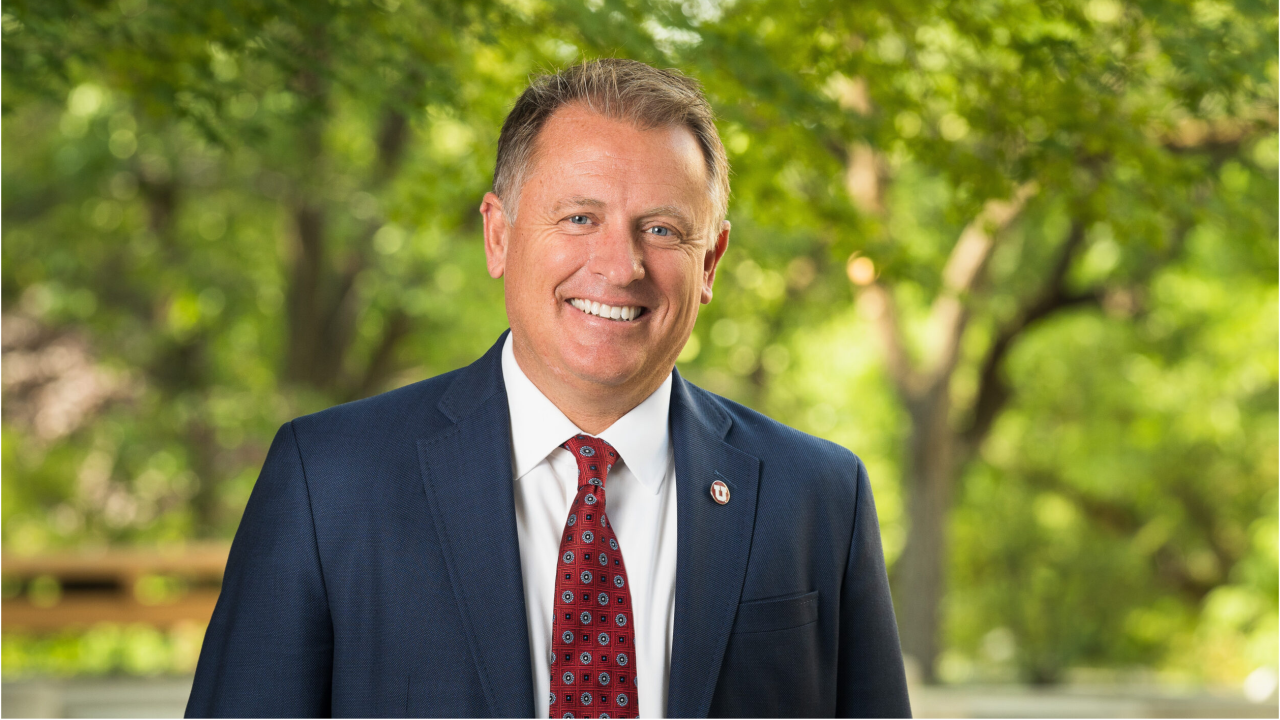
The University of Utah President Taylor Randall pointed to the university’s Utah Population Database, which has helped researchers identify more than 50 cancer genes over decades of work. “Once you discover those genes, then you can actually develop therapies around them,” he said.
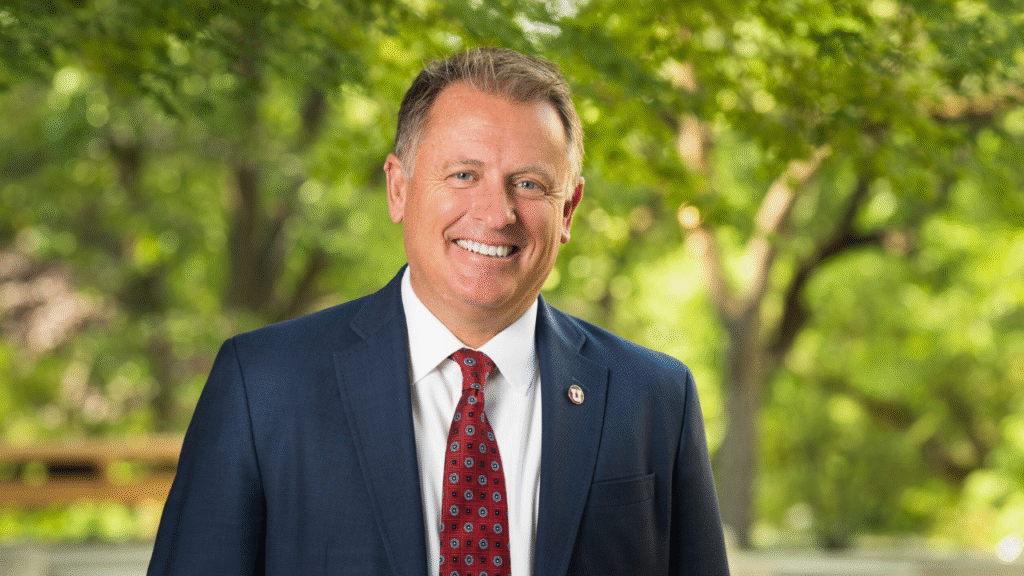
Randall also highlighted rare earth and critical mineral processing as an area where Utah could lead. “Many of those processing capabilities are extremely technical and need new technologies,” he said. “We do believe that Utah is well situated to become a leader … and we are ready to invest with you.”
At USU, President Brad Mortensen said the university aims to further integrate its Space Dynamics Laboratory — which accounts for roughly two-thirds of its more than $500 million research portfolio — with broader academic programs and industry collaboration.
Commercialization momentum
Research intensity is already producing measurable returns. According to Erin Rothwell, the U generated 542 invention disclosures last year, launched nine startups and is nurturing dozens more.
“Our researchers are in the 90th percentile for grant dollars and proposals per faculty member,” she said. “We’re outperforming elite institutions in productivity.”
Still, Millner noted Utah’s direct financial support for research ranks near the bottom nationally. Universities, she said, have built impressive platforms “without much help from us.”
“It’s time for us to start investing,” she told colleagues.