Hearst Corp., parent company of the Houston Chronicle, delivered record revenue and profits in 2025, marking its second consecutive year of peak performance. Chief Executive Officer Steven R. Swartz reported that revenue rose 3% to $13.5 billion, exceeding internal expectations despite a challenging media environment.
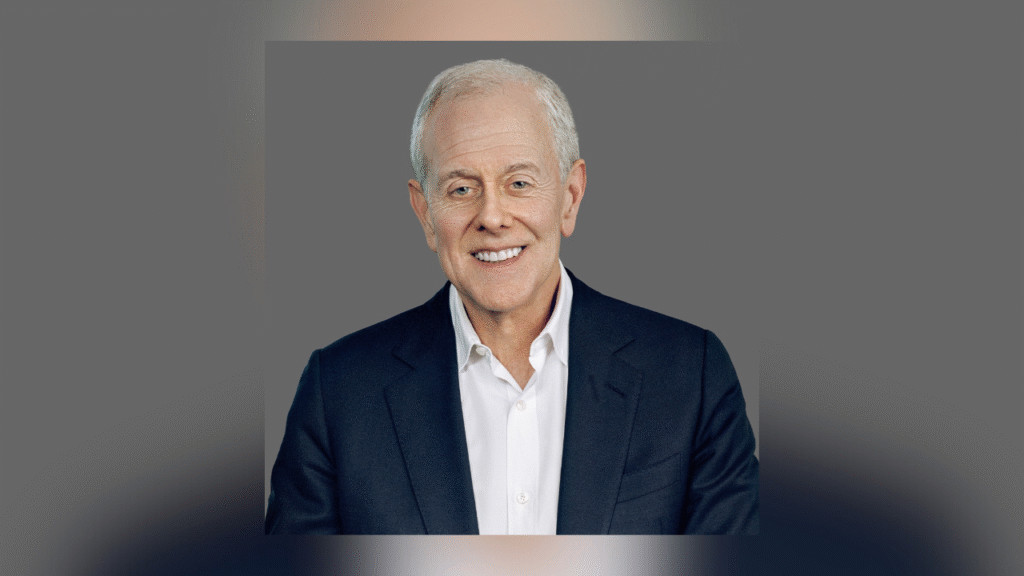
In his annual letter to employees, Swartz acknowledged that the company entered 2025 cautiously. Concerns over continued cord-cutting among television audiences and a projected decline in advertising following the 2024 U.S. election cycle tempered forecasts. “While we had record results in 2024, we were not expecting a repeat in 2025,” he wrote. “Our diversification continues to prove invaluable.”
Business media anchors growth
The company’s business-to-business (B2B) portfolio drove the majority of profits. At the center of that growth was Fitch Group, Hearst’s largest earnings contributor. A strong global bond market lifted demand for both Fitch Ratings and its analytics arm, Fitch Solutions.
Swartz described 2025 as an even stronger year following an “extraordinary 2024” for Fitch. Additional gains came from healthcare workforce software provider QGenda, aviation data specialist CAMP Systems, and classic-car auction platform Bring a Trailer.
Business media now accounts for roughly 60% of Hearst’s total profits, a sharp increase from less than 10% 15 years ago. “Simply put, mission critical data and niche software platforms that client companies find invaluable have proved to be very good businesses,” Swartz noted, underscoring the company’s pivot toward high-margin data and analytics.
Sustaining consumer media
While expanding its B2B footprint, Hearst continued to invest in newspapers, magazines and television stations. Founded in 1887 under William Randolph Hearst, the company remains one of the largest private media groups in the United States. Its newspaper portfolio includes titles such as the San Francisco Chronicle, Times Union and San Antonio Express-News. In 2025, Hearst further expanded its Texas presence with the acquisitions of the Austin American-Statesman and The Dallas Morning News.
Positioned for 2026
Looking ahead, Swartz characterized the company’s 2026 outlook as “cautiously optimistic.” He acknowledged growing investor concern over generative AI’s impact on data and software businesses but expressed confidence in Hearst’s competitive advantages. “We don’t take that threat lightly,” he said, adding that the company’s domain expertise and long-standing customer relationships position it to adapt.
Financial discipline remains central to Hearst’s strategy. “We remain one of the few companies our size or larger with no net debt,” Swartz emphasized, pointing to a strong cash position that supports acquisitions and long-term commitments.
For global investors, including Japanese firms assessing resilient media and data assets, Hearst’s performance illustrates how diversified portfolios and disciplined capital management can deliver sustained growth, even amid structural industry change.