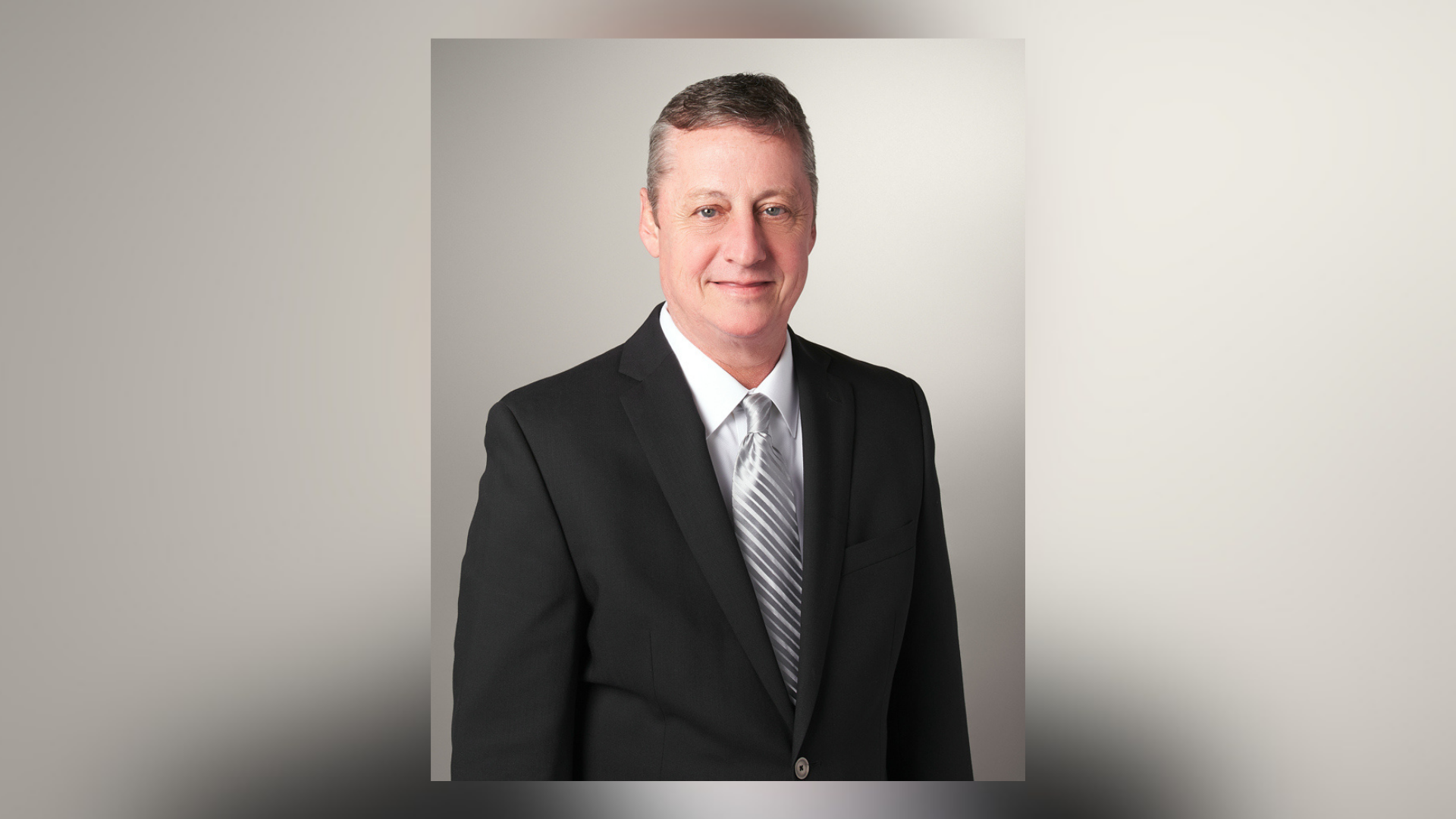
The University of Southern California has formally named Beong-Soo Kim as its 13th president, following a unanimous vote by the Board of Trustees after a national search. Kim, who has served as interim president since July, assumes the role immediately and will hold the Robert C. Packard President’s Chair.
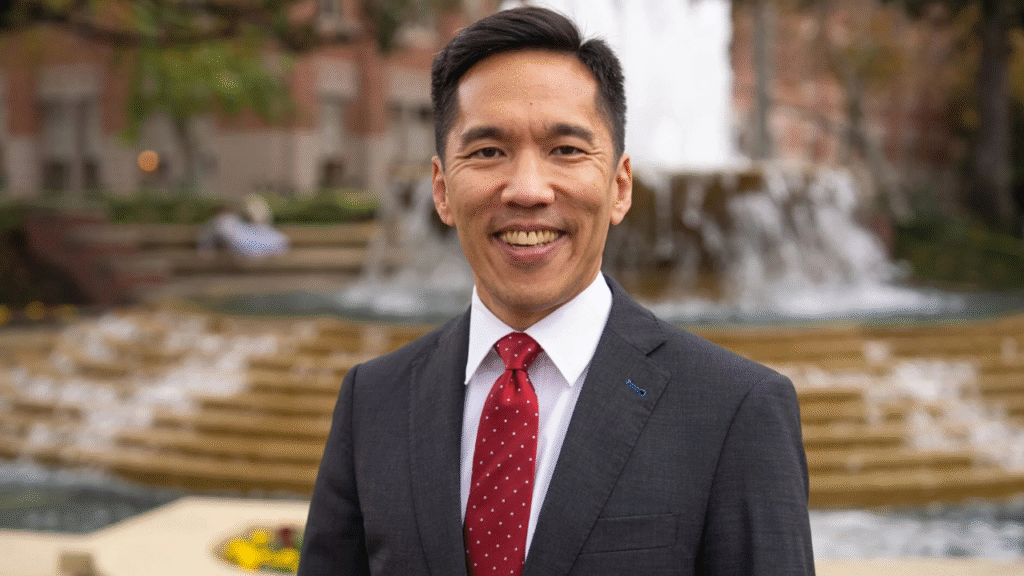
Board chair Suzanne Nora Johnson said the outcome reflected broad support gathered throughout months of consultation.
“The Board’s unanimous vote reflects what we learned throughout the search process: widespread confidence in Beong’s leadership,” she said, citing his record of steady decision-making and commitment to institutional values during a volatile period for higher education.
Consolidating momentum
Since taking the interim post, Kim has emphasized research intensity, interdisciplinary collaboration and deeper engagement with stakeholders at home and abroad. Working with trustees, deans and faculty leaders, he advanced new forums for universitywide dialogue, including initiatives examining artificial intelligence, governance and academic freedom.
“I am deeply honored by the confidence the Trojan Family and Board of Trustees have placed in me,” Kim said. “Our unwavering commitment to academic excellence, groundbreaking research and global impact positions us to shape the future – not just respond to it.”
Among the highest-profile efforts under his watch was USC’s first AI Summit, convening scholars, students and industry representatives to debate both innovation and ethics. Supporters say the meeting underscored the university’s ambition to connect laboratory research with entrepreneurship and public responsibility.
Andrew T. Guzman, provost and senior vice president for academic affairs, said Kim’s approach has already resonated across campus. “I could not be more excited that USC has found a president who embodies the collaborative spirit and grit we seek from all Trojans,” he noted.
Raising USC’s external voice
Kim has also sought to amplify the institution’s global profile. Through his podcast, Trojan Talks, he has highlighted faculty expertise and policy debates while inviting prominent academic and industry guests. Administrators say the format helps translate complex research into wider public understanding.
Mark Humayun, director of the Ginsburg Institute for Biomedical Therapeutics and co-director of the Roski Eye Institute, credited Kim with strengthening backing for translational science. “Universities today must demonstrate real-world impact,” he said, adding that expanded visibility can accelerate breakthroughs reaching patients.
A cross-sector background
Kim brings experience spanning academia, health care, private practice and federal service. Before becoming interim president, he served as senior vice president and general counsel, helping steer the university through the pandemic, reinforcing compliance systems and supporting governance reforms across the health enterprise.
Trustee Carmen Nava described his tenure in the acting role as marked by transparency and diplomatic skill. “His approach to the challenges facing higher education – marked by open-mindedness and personal integrity – is exactly what USC needs at this critical juncture,” she said.
With the formal appointment complete, attention now turns to how Kim will convert recent initiatives into sustained gains in research capacity, fundraising and international partnerships, areas where competition among leading universities continues to intensify.